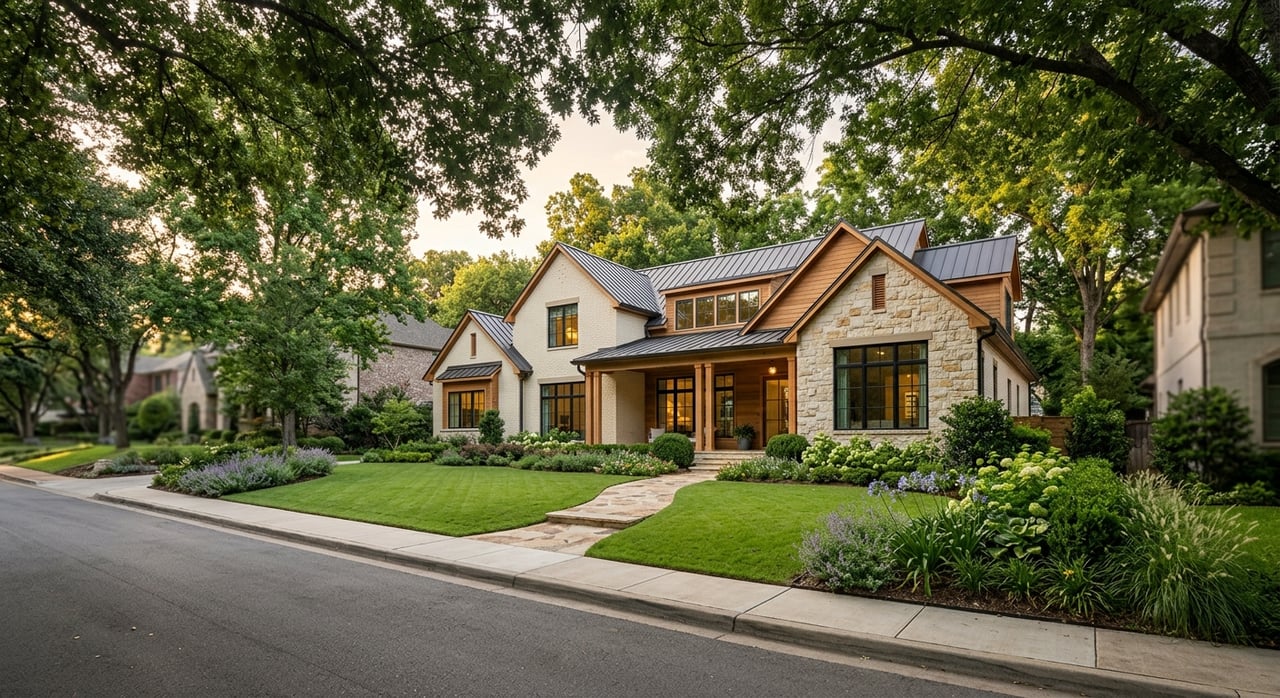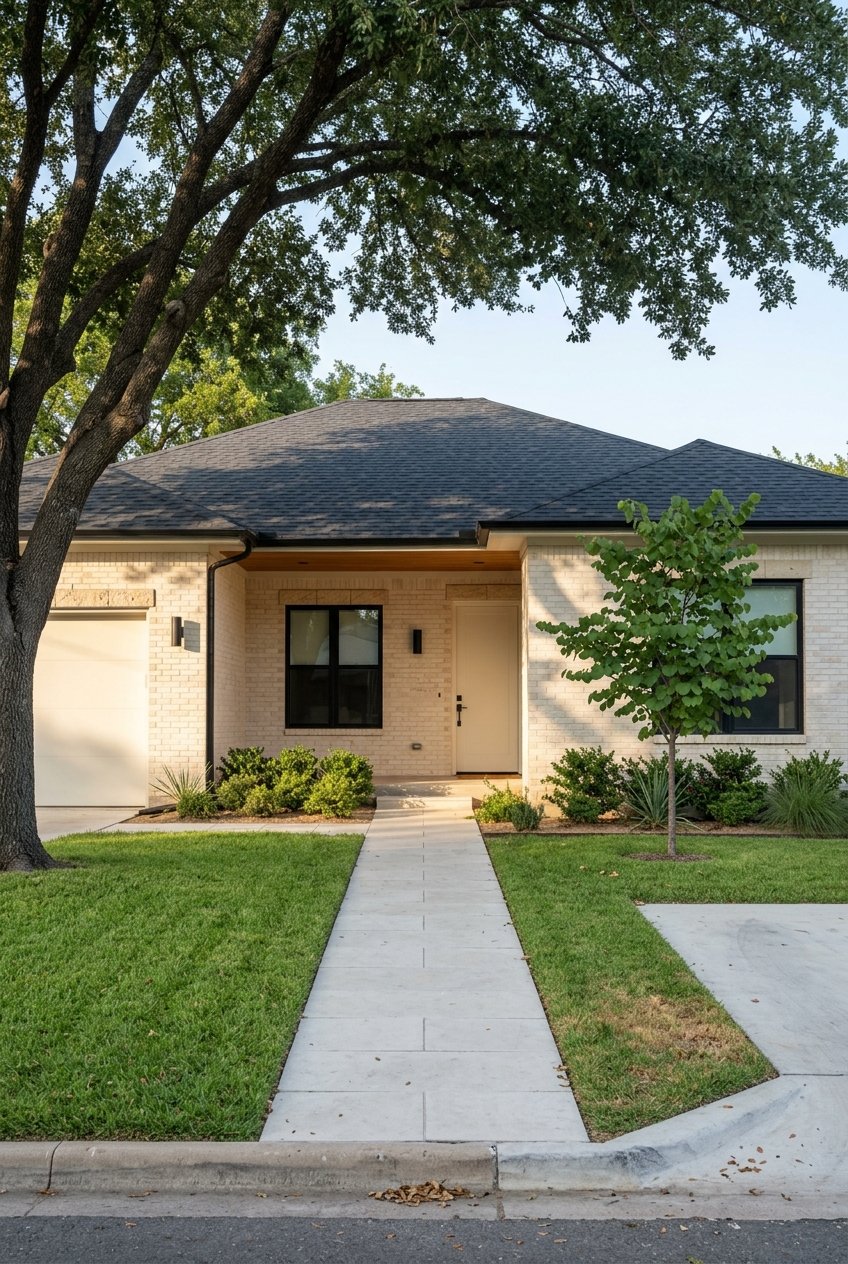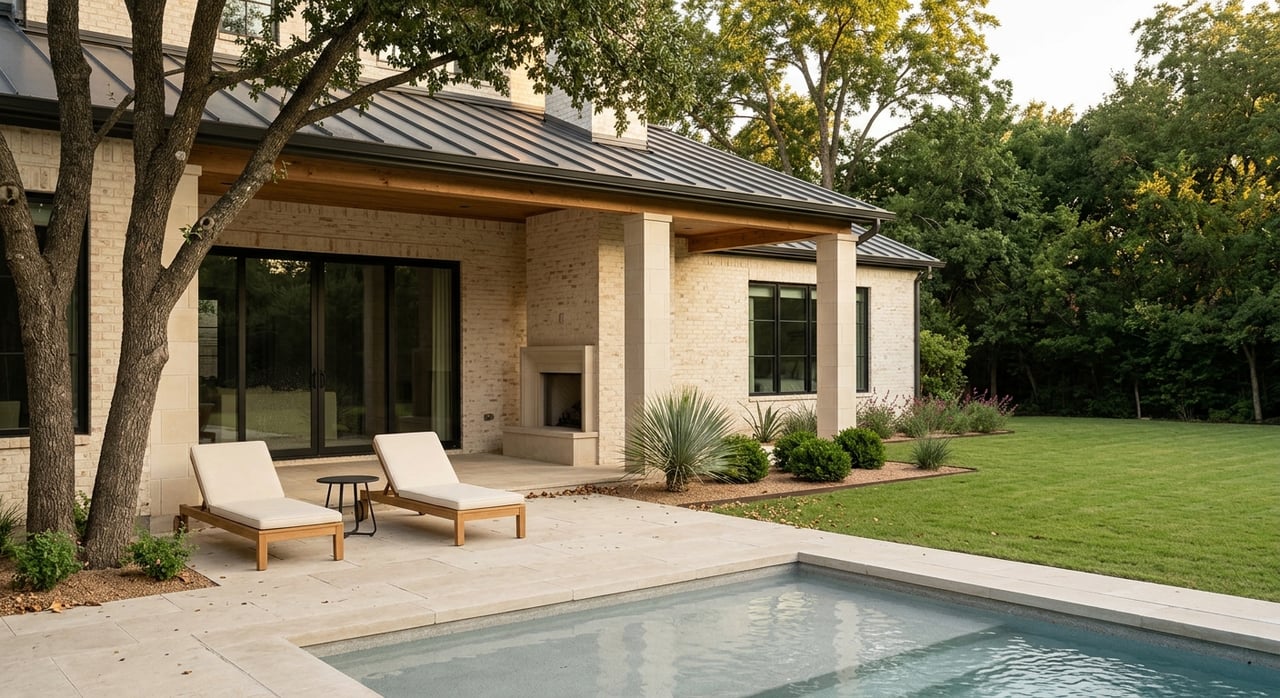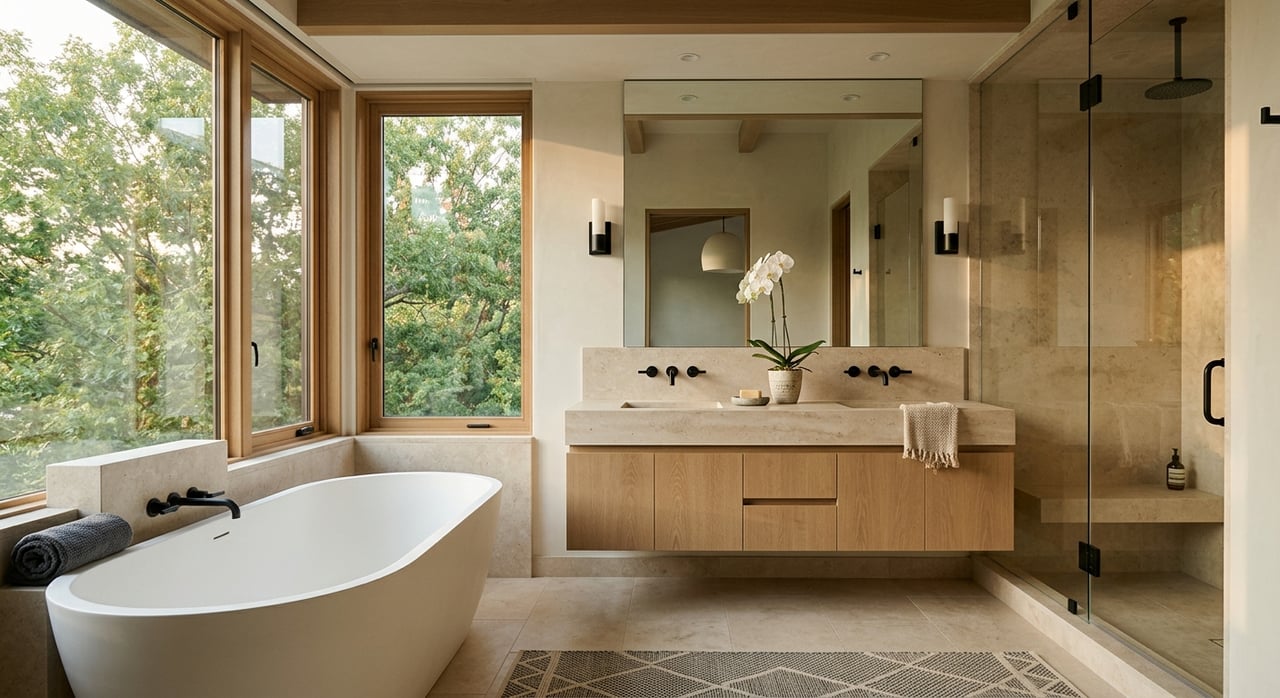
Thinking about buying a brand-new home in Mansfield? It can be exciting to choose a floor plan, pick finishes, and imagine life in a home no one has lived in before. It can also get complicated fast once you factor in builder contracts, deposits, timelines, upgrades, inspections, and the true monthly cost. If you want to go in with clear expectations and make smart decisions, this guide will walk you through what to know before you buy. Let’s dive in.
Why Mansfield draws new-construction buyers
Mansfield has been growing quickly, and that growth helps explain why so many buyers are looking at new communities here. The U.S. Census Bureau estimates Mansfield’s population at 84,444 in July 2025, which is up 16.3% from the April 2020 estimates base. The city is also planning for long-term growth through its Mansfield 2040 Future Land Use Plan and Comprehensive Plan.
For you as a buyer, that matters because new construction does not happen in a vacuum. It is part of a bigger growth story tied to roads, land use, and future development. That can create more options, but it also means you need to look closely at each subdivision and not assume every new community will feel or perform the same over time.
Mansfield’s local numbers also show why budgeting matters. Census QuickFacts reports a median owner-occupied housing value of $410,700 and a median household income of $121,126. Those figures are not specific to new construction, but they do show why payment planning is a key part of the buying process here.
Know how school boundaries work
One of the biggest mistakes buyers make is assuming a Mansfield address automatically means one school assignment. Mansfield ISD serves more than 35,000 students across more than 94 square miles and includes students in Mansfield as well as parts of Arlington, Grand Prairie, Burleson, Fort Worth, Venus, Alvarado, and Kennedale.
That means you should verify school attendance by the exact property address, not just the city name or subdivision marketing. This is especially important if you are comparing communities near city edges or in Mansfield-adjacent areas. A quick confirmation early in the process can help you avoid surprises later.
Understand the new-build process in Mansfield
A new home may feel simpler because it is brand new, but the process is often more layered than resale. Mansfield requires permits for construction and systems work, accepts permit applications online, and uses electronic plan review. The city also states that it has adopted the 2018 building codes with local amendments.
That is useful context because a new build still moves through local approvals, inspections, and scheduling steps. In other words, new construction is not just about choosing a lot and waiting for the keys. There are city processes involved, and those can affect timing.
Build timelines are often longer than expected
Many buyers are surprised by how long new construction can take. NAHB reports that in 2023 the average U.S. single-family home took 10.1 months to complete, while homes built for sale averaged 8.9 months.
Even when construction starts quickly, delays can still happen. NAHB notes that nearly half of single-family homes begin construction in the same month the permit is issued, and more than 90% begin within two months, but plan changes and supply-chain issues can slow a project down. If you are timing a lease ending, a home sale, or a relocation, leave room in your plans.
Builder deposits and contracts need a close look
New-construction contracts often include terms that buyers do not see as often in resale deals. The CFPB says a builder may ask for an upfront builder deposit, often called earnest money, and you should ask under what conditions it can be returned.
That is a simple question, but it matters. Before you sign, make sure you understand what triggers refunds, what does not, and how change orders or delays affect your money. Clarity upfront can save you stress later.
Buyer representation rules matter in Texas
In Texas, buyer representation rules are especially important. TREC says legislation now requires written agreements for buyer representation before a residential buyer is shown property or an offer is presented.
TREC also says these agreements are private contracts between the broker and buyer, not standard state forms, and compensation is not set by law and is fully negotiable. If you are visiting builder communities, it helps to understand your representation terms before you start touring so you know who is advising you and how that relationship works.
Compare builders beyond the model home
A polished model home can make any community look appealing. What matters more is how the builder’s pricing, process, and communication fit your goals.
When you compare builders in Mansfield, focus on questions that affect your budget and timeline, not just the style of the home. A good comparison usually includes:
- What is included in the base price
- Which features cost extra as upgrades
- Whether there are lot premiums
- What the realistic build timeline looks like
- What delays are most common
- What incentives are tied to preferred lenders, title companies, or closing providers
- How the buyer representation agreement is structured
You should also remember that if a builder has an affiliated mortgage lender, you do not have to use that lender. The CFPB says buyers can shop around, which gives you a chance to compare the full financing picture instead of focusing only on a builder incentive.
Budget for more than the sticker price
One of the biggest advantages of buying new is personalization. NAHB says buyers often value energy efficiency, open layouts, warranties, and the ability to choose finishes and design elements. Many new communities also offer amenities such as pools, walking trails, and courts.
Those benefits are real, but they can also make it easy to overspend if you only look at the base price. Design-center choices, lot premiums, and community fees all affect affordability. The home you start out pricing may not be the same home you end up contracting once options are added.
Design center choices can change your payment
Upgrades are not just cosmetic decisions. The CFPB says your total monthly home payment can include principal and interest, property taxes, mortgage insurance, homeowner’s insurance, flood or supplemental insurance, and HOA fees.
That means upgrades that increase the sales price may affect both your cash needed to close and your long-term monthly payment. A smart way to approach the design center is to compare each upgrade against the budget cushion you already planned for. If a feature pushes you past your comfort zone, it may be better to skip it than to stretch your payment every month.
Keep a cushion for unexpected costs
The CFPB recommends revisiting your down payment and closing cost calculations as your search progresses and keeping a cushion for unexpected costs. That advice is especially helpful with new construction because pricing can evolve as you select structural options, finishes, and lot features.
Try to think in categories instead of impulse choices. Separate your must-haves from your nice-to-haves, and review how each decision affects your full budget. That keeps the process strategic instead of emotional.
Verify community costs and property details
Before you commit to a specific new home, confirm the exact property details that will shape your ownership costs and day-to-day experience. In Mansfield-area developments, that includes the address, school attendance zone, and any community costs.
Different subdivisions can have different HOA rules and tax setups. Since Mansfield ISD covers multiple cities and a broad geographic footprint, these details are worth verifying early. Small differences on paper can have a meaningful impact on your budget and planning.
Do not skip an independent inspection
A brand-new home still needs an inspection. The CFPB recommends scheduling an inspection as soon as possible, choosing an inspector who is accountable to you, and attending the inspection if you can.
That is important because an inspection and an appraisal are not the same thing. If an inspection finds a major issue, your options may depend on your contract terms, and in some cases a lender may require repairs before closing. New does not always mean flawless, so this step is worth taking seriously.
Plan for the final walk-through
The final walk-through is your last chance to confirm the home is in the condition you expect before you sign closing papers. The CFPB says buyers should do a final walk-through to make sure agreed repairs were completed and anything the seller promised to leave is still in place.
With new construction, this is also a practical time to confirm finish selections, fixtures, appliances, and overall completion. If something is missing or unfinished, you want to address it before closing, not after.
Think about resale from day one
Even if you plan to stay for years, resale still matters. Mansfield’s population growth, long-range planning, and regional school-district footprint all point to a market shaped by continued demand, but that is not a guarantee of future appreciation.
Resale strength will still depend on the exact subdivision, lot, school assignment, price point, and finish quality. That is why it helps to buy with a long-term view. Choices that fit your lifestyle now should also make sense if you need to sell later.
A strategic approach makes a difference
Buying new construction in Mansfield can be a great move if you understand the process before you jump in. The right plan can help you manage expectations, compare builders carefully, control upgrade costs, and protect yourself through inspections and final review.
At Rose Group Realty, the goal is simple: help you make a smart move with clear communication, local insight, and steady guidance from start to finish. If you are weighing new construction in Mansfield and want a practical, low-pressure game plan, connect with Clint Rose.
FAQs
What should you ask a builder before buying new construction in Mansfield?
- Ask what is included in the base price, which features are upgrades, whether there are lot premiums, what the realistic timeline is, what delays are common, and whether incentives are tied to a preferred lender or other closing providers.
How long does new construction usually take in Mansfield?
- Timelines vary, but NAHB reports that in 2023 the average U.S. single-family home took 10.1 months to complete, while homes built for sale averaged 8.9 months. Local approvals, plan changes, and supply issues can affect the schedule.
Do you need an inspection on a new construction home in Mansfield?
- Yes. The CFPB recommends getting an independent inspection because a new home can still have issues, and an inspection is different from an appraisal.
How do school assignments work for new homes in Mansfield?
- School assignment should be verified by exact property address. Mansfield ISD covers more than 94 square miles and serves students in Mansfield and parts of several nearby cities.
Can you use your own lender when buying a new-build home in Mansfield?
- Yes. If a builder has an affiliated mortgage lender, the CFPB says you do not have to use that lender and can shop around.
What costs should you budget for beyond the base price of a new home in Mansfield?
- In addition to the sales price, budget for property taxes, homeowner’s insurance, mortgage insurance if applicable, HOA fees, utilities, maintenance, repairs, and any added costs from upgrades, lot premiums, or supplemental insurance.